Check your credit score.
Yes, you! If you haven’t checked your credit score in the past month, take the opportunity to do it now. Afterward, make a habit of checking it at least monthly. It only takes a few seconds, and it could save you from massive financial headaches.
Whether you’re applying for a mortgage, getting a new credit card, or even looking to rent an apartment, your credit score can be your best friend or your worst enemy. It’s crucial to keep a close eye on that three-digit number and take steps to maintain or improve it.
Financial Opportunities
Your credit score is kind of like a financial resume – it reflects your creditworthiness, and financial institutions and lenders use it as a key factor in many decision-making processes. A high credit score can lead to lower interest rates on loans and credit cards, higher credit limits, and better terms on mortgages. By regularly monitoring your credit score, you can ensure you are in the best possible position to take advantage of these opportunities.
Identity Theft
Identity theft is a growing concern in the digital age, and unexpected changes to your credit score are often one of the first warning signs. By regularly monitoring your credit score, you can notice sudden drops in your score, unfamiliar accounts, or inquiries you didn’t authorize. These may be an indication that someone has stolen your identity. If you notice these, please contact Gulf Coast Bank & Trust Company immediately at
1-800-223-2060
.
Often, these types of identity thefts can be prevented by freezing your credit score. This temporarily restricts access to your credit report, preventing new accounts from being opened in your name until you’re ready to unfreeze it. To learn more, read our article here.
Mistakes
In
a study conducted by the Federal Trade Commission, one in four consumers identified errors on their credit report that could impact their credit score. Financial institutions aren’t perfect, and sometimes incorrect information is reported to the credit bureaus.
These mistakes can be as harmless as misspelling your middle name, or as dangerous as incorrectly reporting delinquent payments on your accounts. The only way you can identify and dispute these mistakes in your credit report is by checking.
Insurance Rates
A study conducted earlier this year found that drivers with lower credit scores (less than 580) pay more than twice as much on their car insurance premiums as drivers with higher credit scores (over 800), even with identical driving records. Not all insurance providers use your credit score to determine insurance premiums, and some states ban the practice entirely, but Louisiana is not one of them.
Insurance providers use a slightly different version of a credit score called a credit-based insurance score to determine premiums. It assesses many of the same factors that your financial credit score looks at, in addition to other factors such as any insurance claims you’ve filed in the last seven years. Since your credit-based insurance score is a consumer report, the Fair Credit Reporting Act allows you to check it once every 12 months for free.
Your credit score is a powerful financial tool that can either open doors to a brighter financial future or close them. Regularly monitoring it is not just about maintaining a good score, but also about being in control of your financial future.
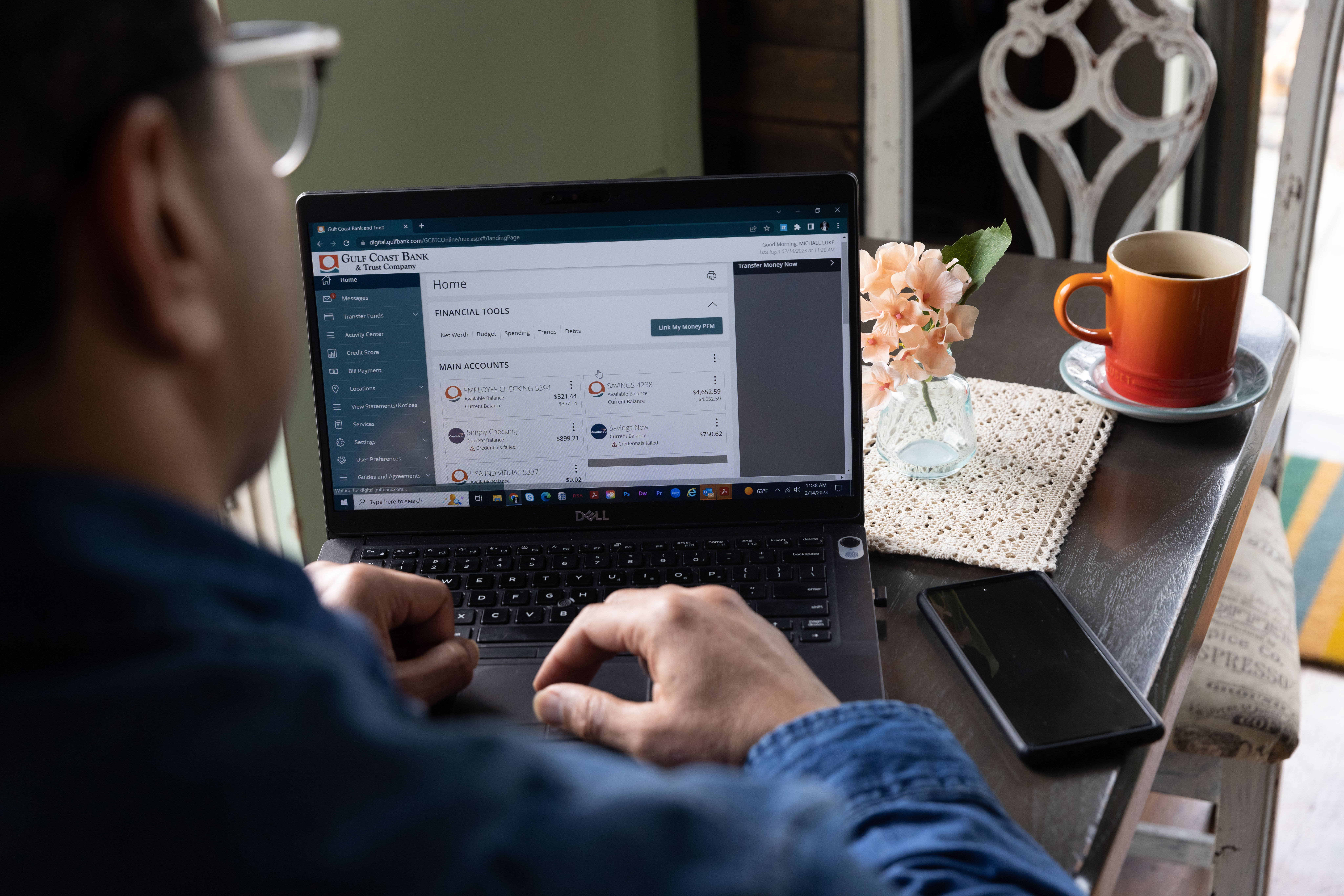
It’s quick and easy to check your credit score through your Gulf Coast Bank & Trust Company online account. Once you’ve enrolled inside digital banking under the “Credit Score” tab, you’ll be able to see your credit score every time you log in to digital banking. This is a soft credit pull, so it won’t affect your credit score. To learn more about our free* Credit Score program, visit our
Credit Score page here.
As always, please know that Gulf Coast Bank & Trust Company is the bank that cares about you. If there are any topics you would like to hear more about, we invite you to email them to marketing@gulfbank.com with the subject line “Let’s Talk”.
*SavvyMoney is available at no additional cost to Gulf Coast Bank customers with an eligible account type. Enrollment in Online Banking required to access SavvyMoney. Additional message and data rates may apply. Check with your wireless provider for details.