We’ve all had the experience of getting to the check-out counter, taking out our debit or credit card, and being unsure of how the card reader wants us to pay. What’s the difference between swiping a card, inserting the chip, and paying with your phone? Which option is the most secure?
Swiping Your Card
The magnetic strip on your card is less secure than most other ways to pay. Because magnetic strips are an old, common storage medium, it is relatively cheap and easy for fraudsters to create “skimmers”, devices designed to read the information on your card’s magnetic strip.
Fraudsters usually plant skimmers at ATMs and self-service gas pumps, placed over the real card insert slot. This lets them read the magnetic strip data as your card is inserted into and removed from the slot. However, handheld skimmers also exist, letting fraudsters read and store your card information if they get ahold of your card.
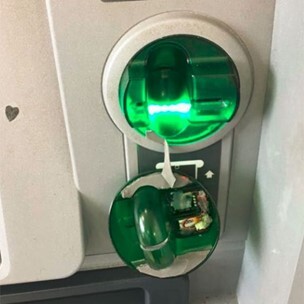
Above: a card skimmer that has been placed over a gas pump card slot.
Inserting the Chip
However, that extra security comes at a cost. Chip-enabled terminals can be expensive, costing over a thousand dollars, so not all stores will support chip payments.
Extra Steps
Other cards are “chip-and-pin” cards, requiring you to insert your chip and enter a 4-digit PIN. The pin must be entered for the transaction to be approved, adding an extra layer of security.
Digital Wallets
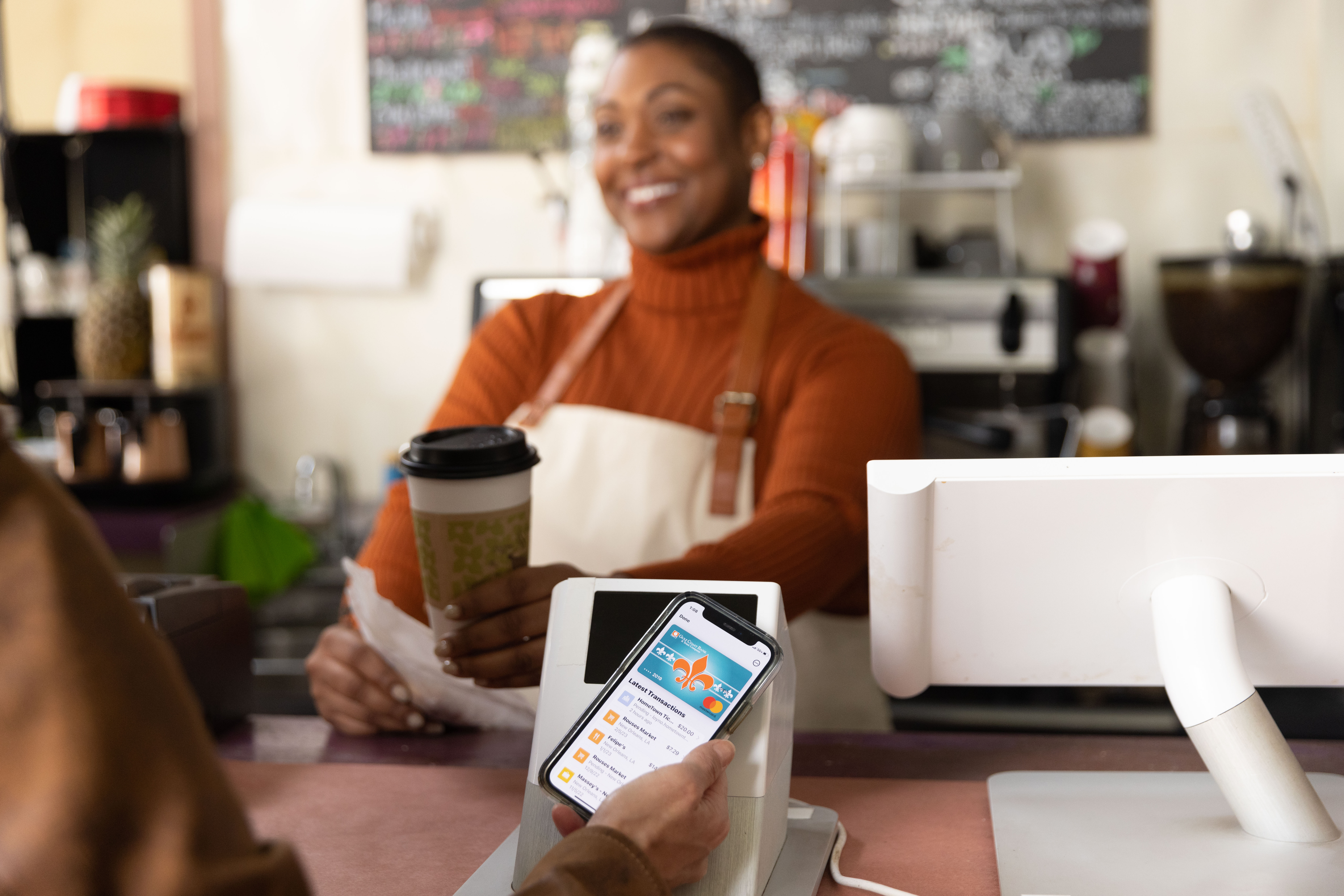
Unlike both the magnetic strip and the chip on your card, a digital wallet doesn’t store or transmit your card information directly. Instead, the digital wallet transmits a one-time-use “token” to both the card reader and your provider, which is used to process the payment – the vendor never receives your actual card information.

However, digital wallets are not a perfect solution, and they’re still only as secure as your phone is. If you use a digital wallet, be sure to keep your phone secured with both a password and biometric technology (fingerprint, face scanning). They are also the least widely available payment method, so you may still need to carry your cards with you.
Gulf Coast Bank & Trust Company is committed to being the bank that cares about you. If you have any topics that you would like us to discuss, we invite you to email them to marketing@gulfbank.com with the subject line “Let’s Talk!”